Urban landscape competition

Co:Couros

Co-shaping a regenerative urban landscape for Guimaraes, Portugal.

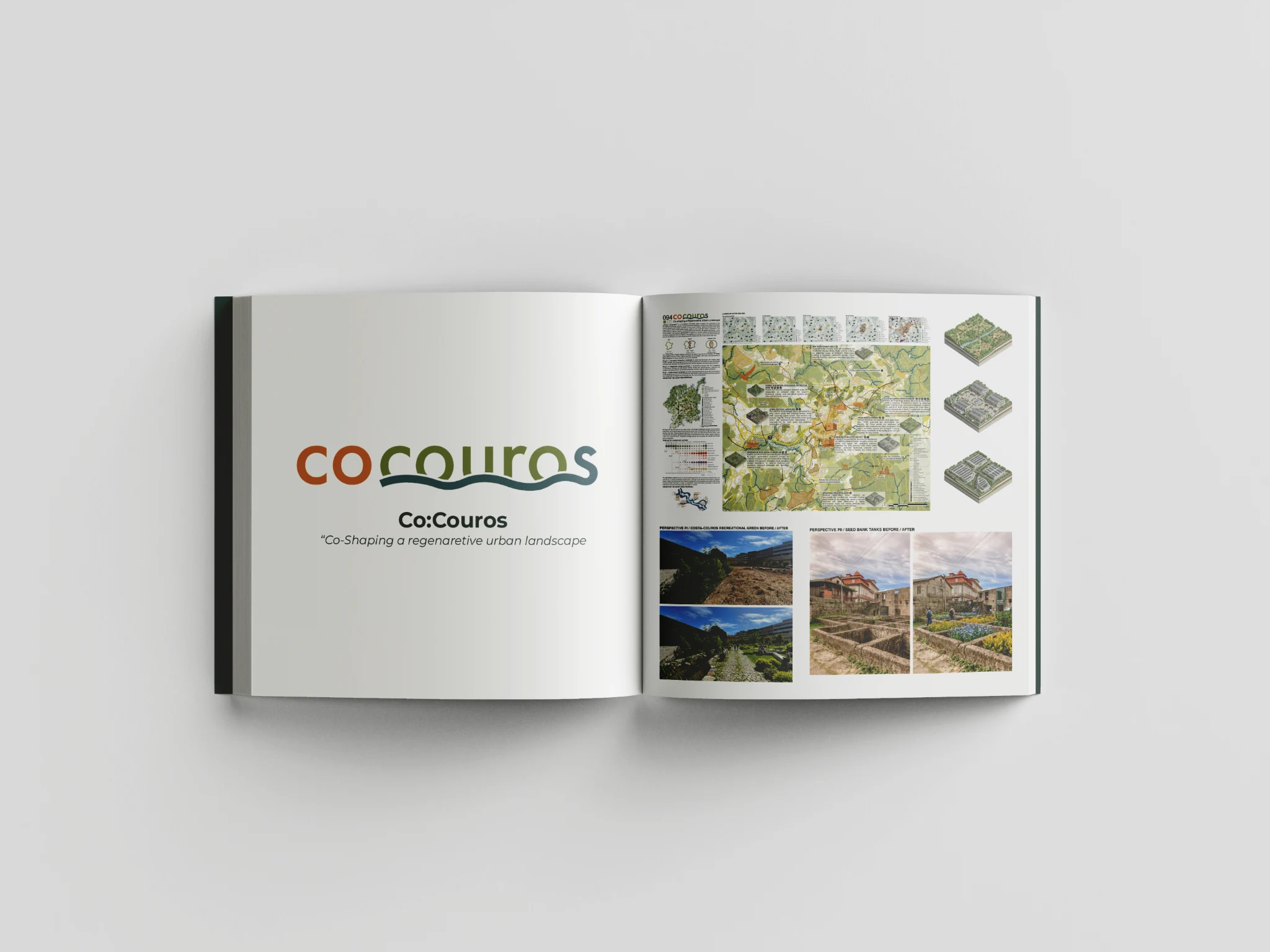
Open portfolio book showing the Co:Couros masterplan, diagrams and before-and-after landscape views
Project type
LE:NOTRE 2026 / team project
Role
Team member
Current material
Portfolio overview spread

Concept

Ecological repair as public space.

Co:Couros proposes a regenerative landscape framework for Guimaraes. The project combines ecological analysis, urban strategy and public-space interventions to reconnect fragmented systems and establish a more resilient landscape structure.

The proposal advanced to the third round of the LE:NOTRE 2026 Student Competition. The spread combines a territorial masterplan, analytical diagrams, axonometric intervention types and before-and-after visualizations.

This project page is structured to accept additional plans, sections, diagrams, renders and process images when the original files are ready.

Competition boards

Four scales of regeneration.

Open project description

Poster 01 / Regional strategy

Landscape actors, territorial systems and a long-term vision.

The first board frames Guimaraes as a landscape produced by negotiation between natural systems, heritage, agriculture, industry and everyday urban life. It establishes the three-ring strategy that organizes ecological protection, negotiated living landscapes and urban green commons.

  • Reads the Costa-Couros corridor through water, forests, agriculture, transport and settlement patterns.
  • Positions the river corridor as a shared landscape infrastructure rather than a leftover edge.
  • Sets the long-term framework for ecological repair, public access and productive reuse.
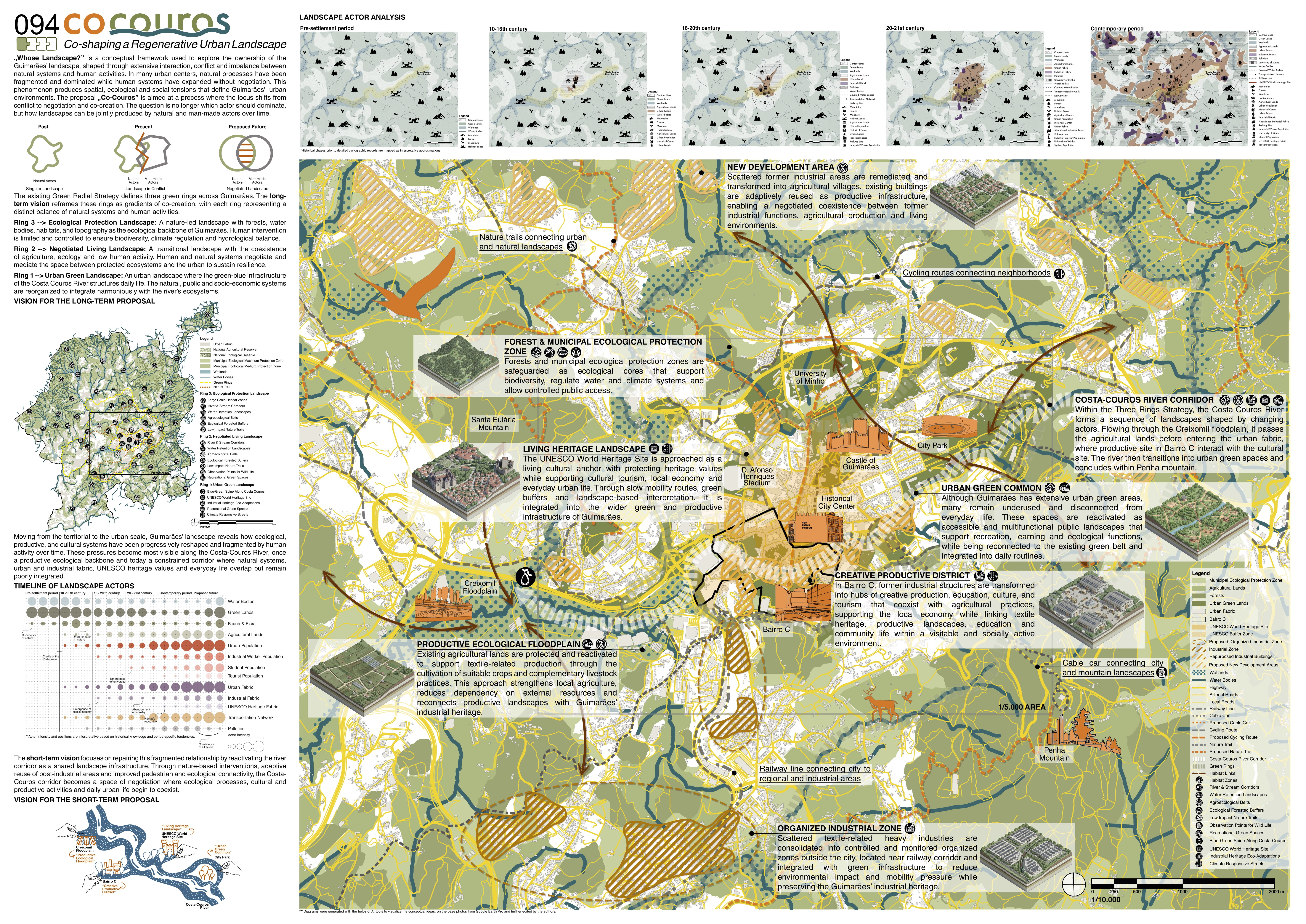
Co:Couros poster one showing regional actor analysis and long-term landscape strategy

Poster 02 / Urban systems

A green-blue corridor connected to mobility, production and daily public life.

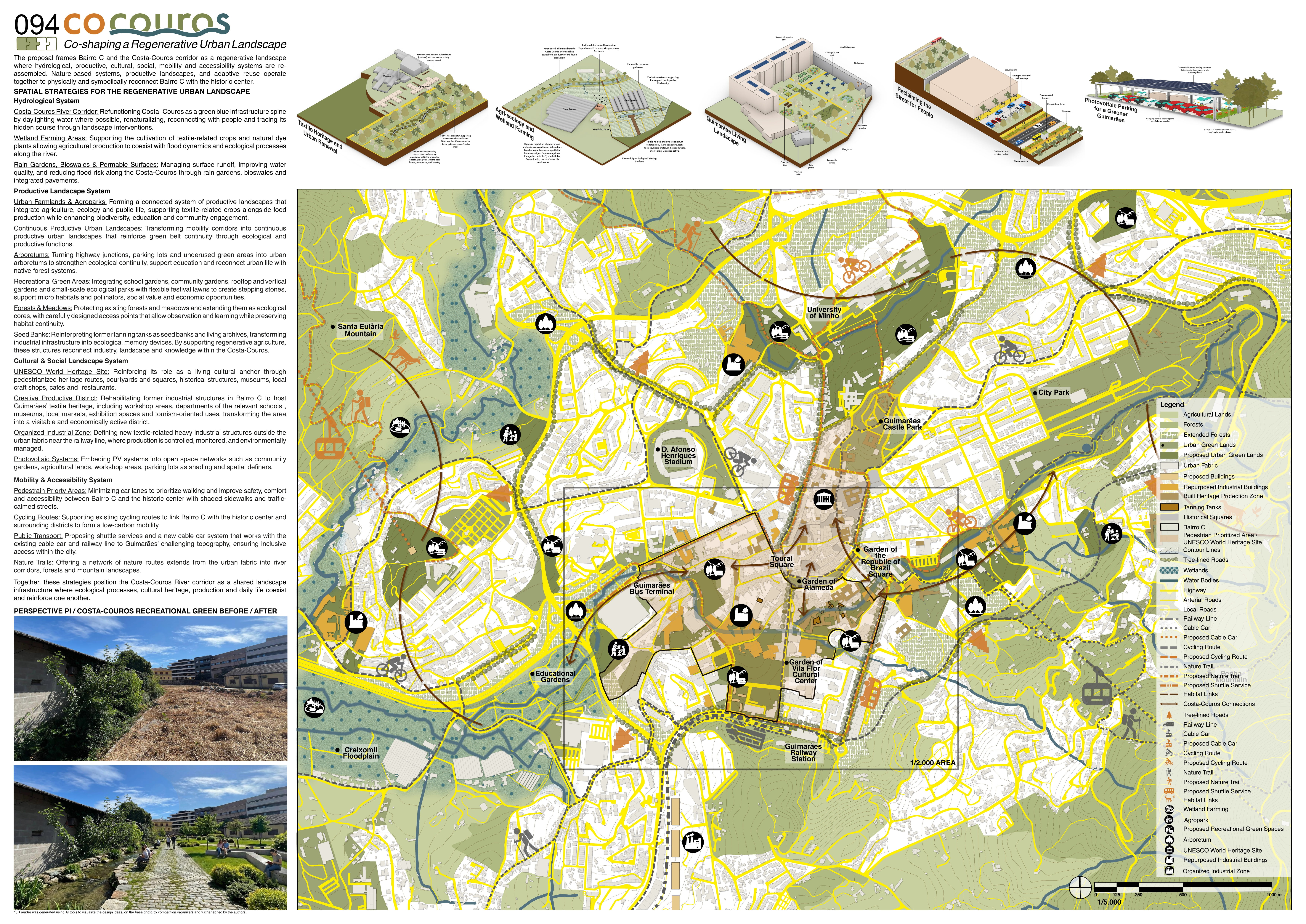
The second board translates the regional vision into an urban framework for Bairro C and the Costa-Couros corridor. Hydrology, productive landscapes, cultural routes and access systems are layered into one connected public landscape.

  • Reopens the river as a visible and usable ecological spine.
  • Links cycling, pedestrian priority areas, public transport and nature trails.
  • Uses agroparks, rain gardens, wetlands and productive urban landscapes as everyday infrastructure.
Co:Couros poster two showing urban systems and the Costa-Couros corridor plan
Existing Costa-Couros recreational green condition before intervention
Proposed recreational green condition after intervention
After
Before

Before / after

Recreational green and stream edge

The comparison shows a dry residual edge transformed into a public route where water, planting, seating and pedestrian movement make the corridor legible again.

Poster 03 / River corridor design

A layered pedestrian landscape for memory, learning and production.

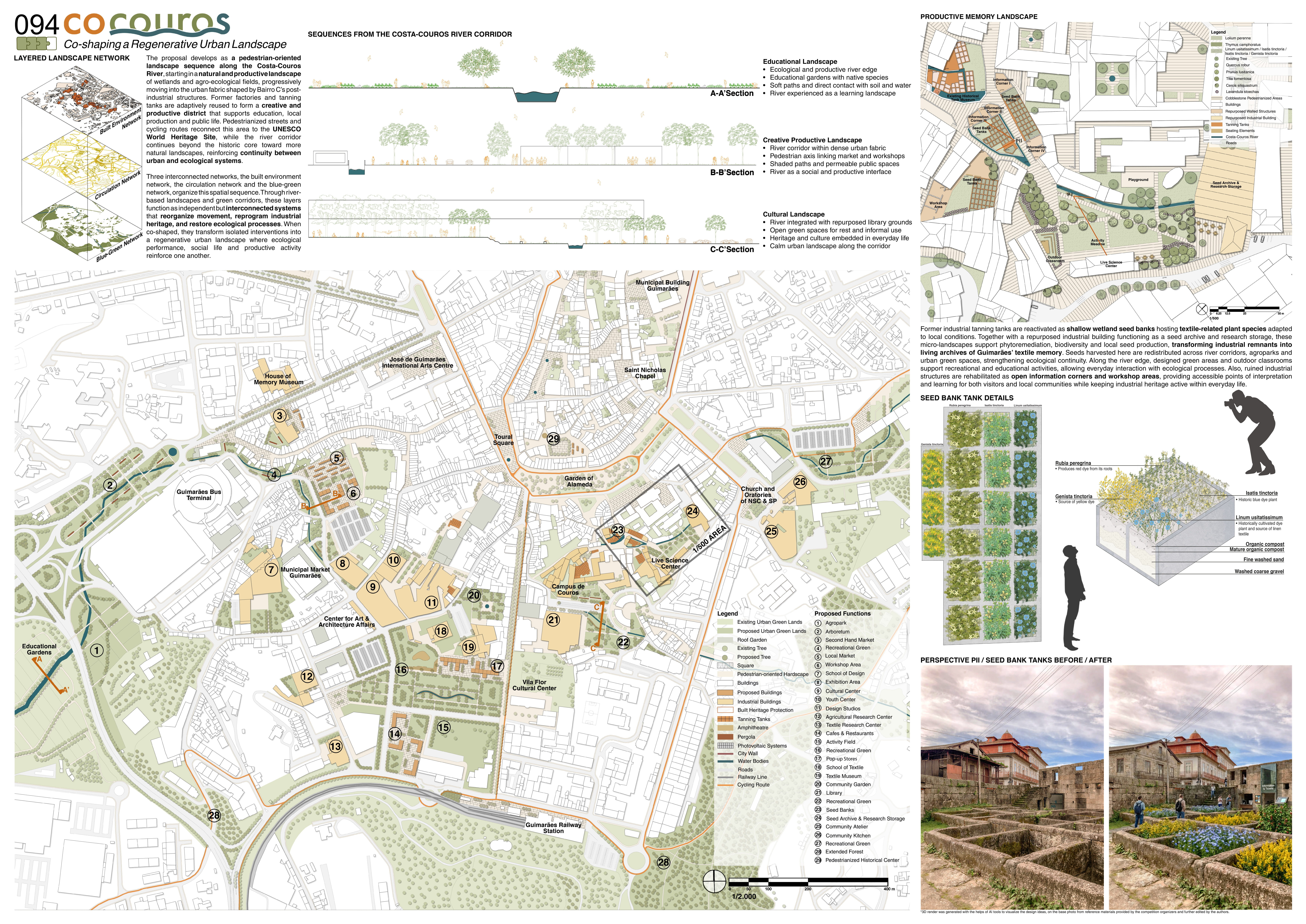
The third board zooms into the Costa-Couros corridor as a sequence of educational gardens, productive yards, cultural spaces and restored river edges. Historic tanning tanks and industrial remnants become active public rooms rather than static artifacts.

  • Combines blue-green infrastructure with pedestrian circulation and public programs.
  • Reuses seed bank tanks as planted memory landscapes and educational spaces.
  • Connects heritage buildings, markets, gardens and workshops through one continuous corridor.
Co:Couros poster three showing detailed Costa-Couros river corridor design
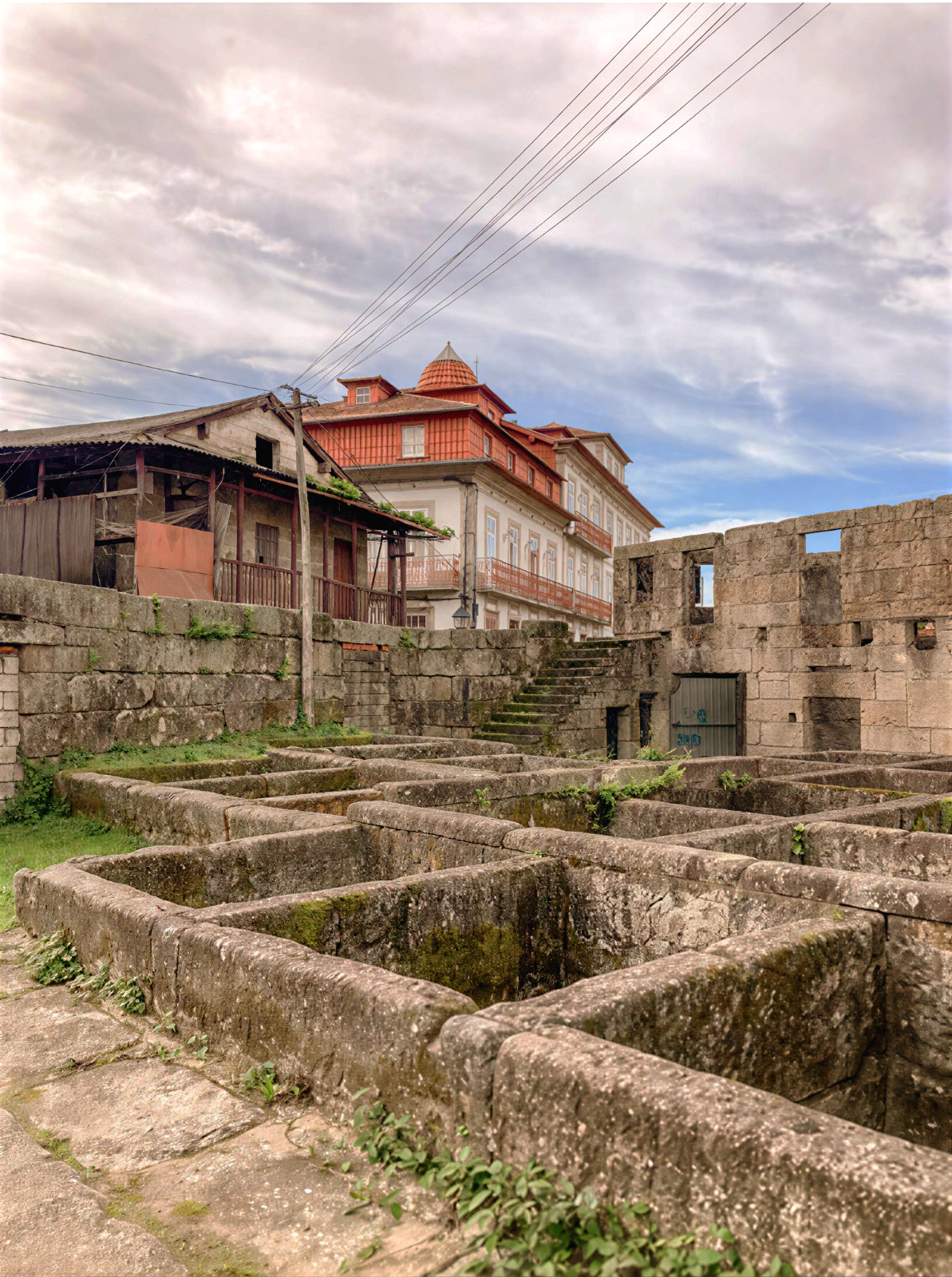
Existing seed bank tank landscape before intervention
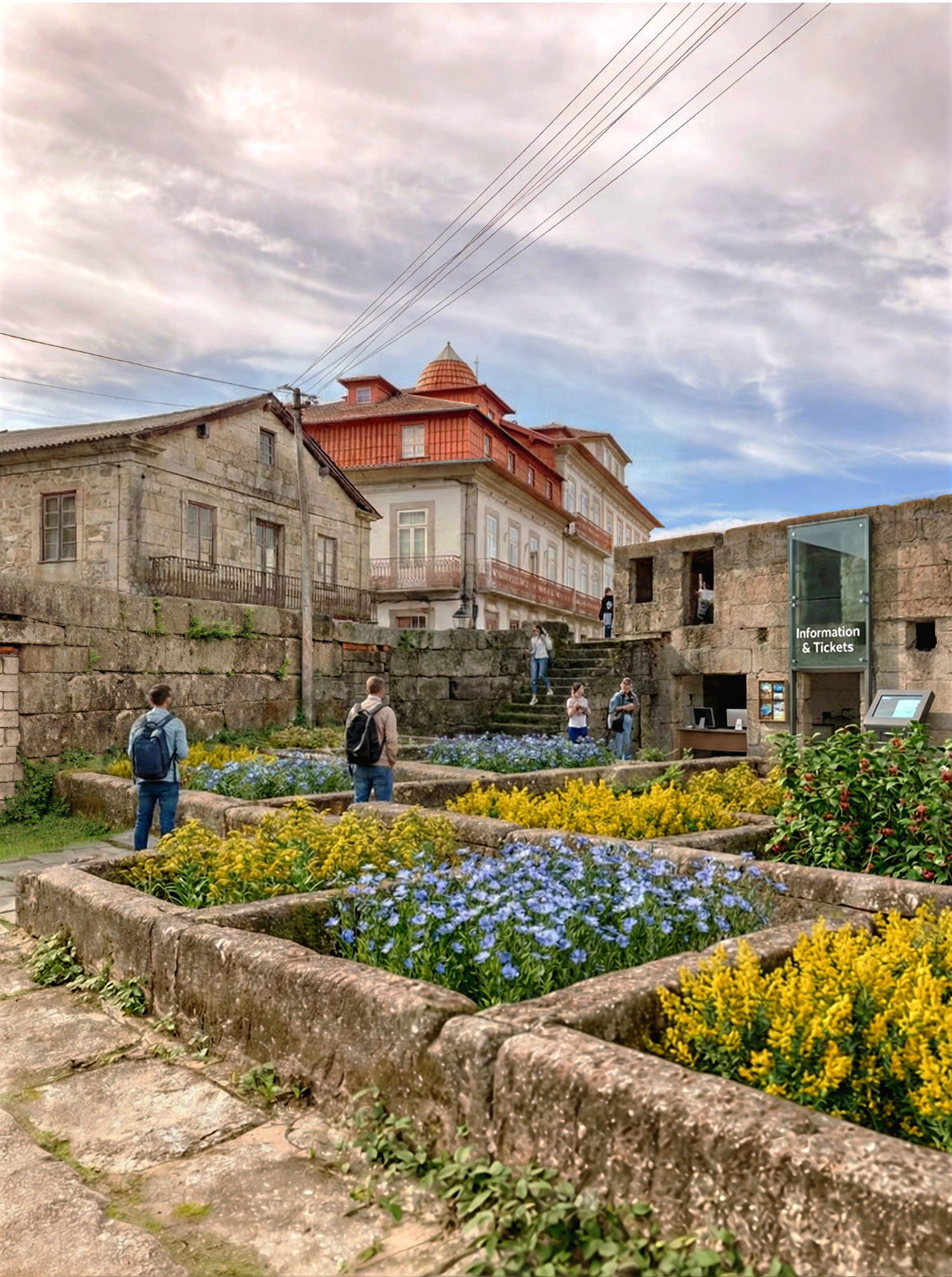
Proposed seed bank tank landscape after intervention
After
Before

Before / after

Seed bank tanks and heritage activation

The proposal keeps the industrial stone structure visible while turning the tanks into planted beds, interpretation points and a public threshold for the corridor.

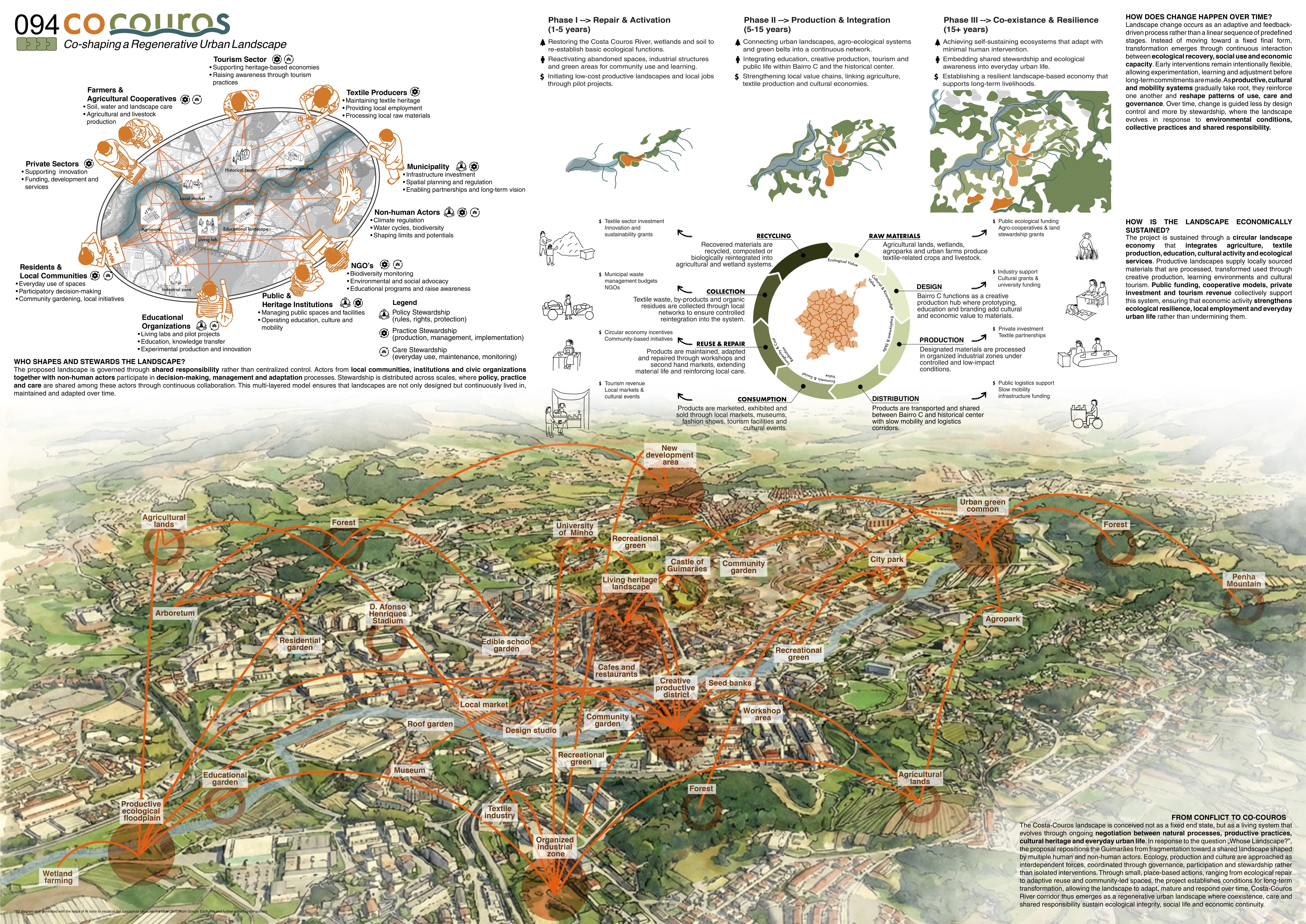
Poster 04 / Stewardship model

Governance, circular economy and long-term adaptation.

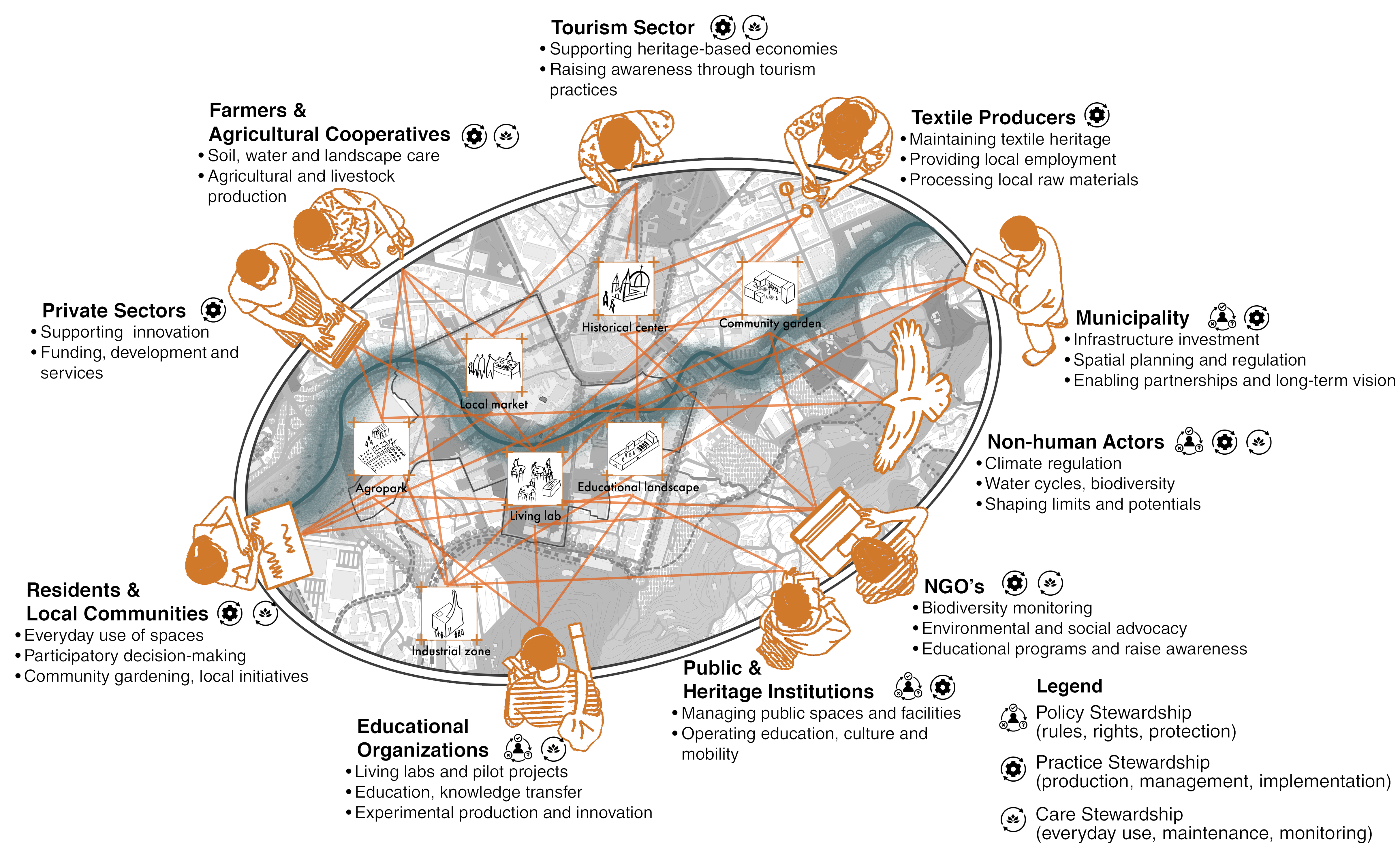
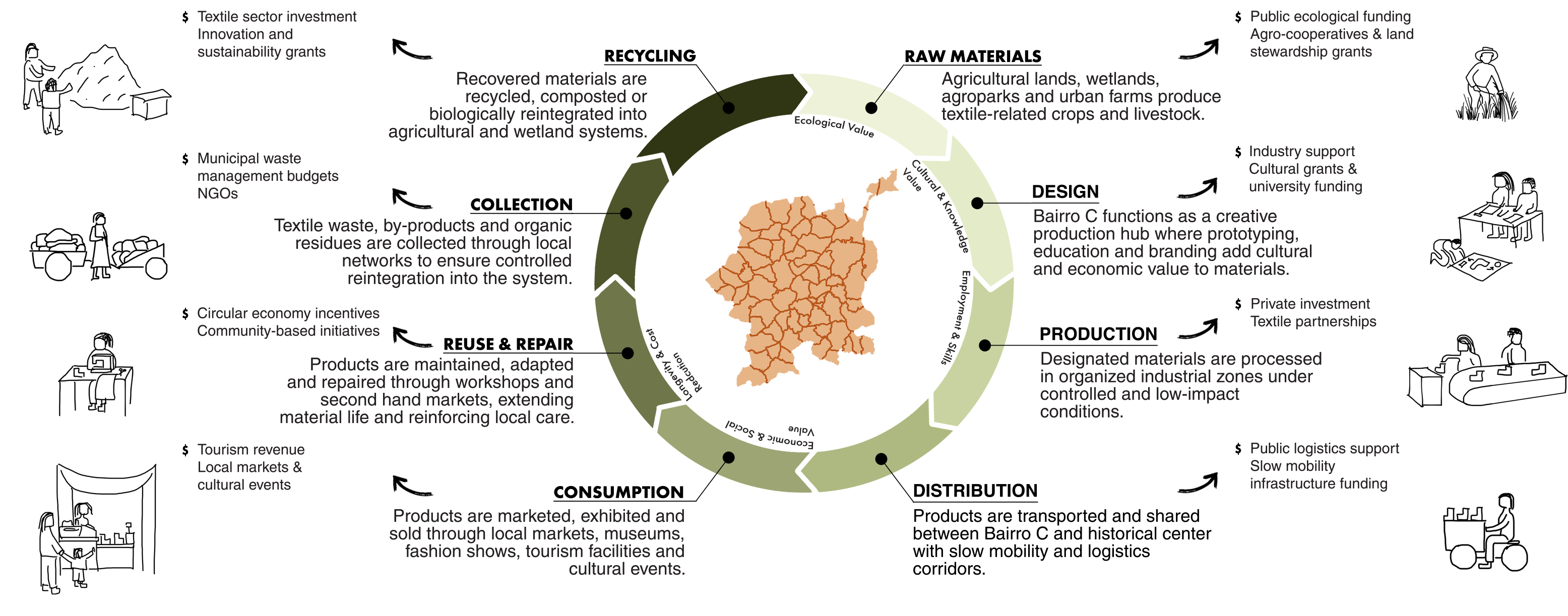
The final board explains how the landscape can be managed over time. It connects public agencies, local communities, producers, tourism, NGOs and non-human actors into a shared stewardship model, then links that governance to a circular textile and agricultural economy.

  • Defines phases from repair and activation to production, integration and long-term resilience.
  • Shows how recovered materials, local production, tourism and public funding support the landscape.
  • Frames change as an adaptive process rather than a fixed final state.
Co:Couros poster four showing governance, circular economy and long-term phasing
Governance diagram showing shared stewardship actors for Co:Couros
Shared stewardship links residents, producers, institutions, ecological actors and public agencies.
Circular economy diagram for Co:Couros textile and agricultural production
The circular economy model connects raw materials, production, distribution, reuse and ecological value.